
I have observed how quickly entertainment can merge into something heavier, and I want you to understand that getting support is a sign of resilience, not weakness slotoros.ca. Whether you are just starting to doubt your patterns or you are deep into a pattern that appears impossible to break, the correct resources can restore your feeling of control. Across Canada, a expanding network of resources, experts, and peer networks is ready to help. This guide gathers the most effective strategies I have gathered from years of dealing with responsible gambling programs. You will learn how to recognize early warning signals, use automatic platform caps, activate self‑exclusion, connect with confidential counseling, and rely on the loved ones who matter most. Every tip here is designed to be practical right away, because waiting often turns everything tougher. I will guide you through each step, using simple language that breaks through the complexity. By the conclusion, you will have a personal plan you can go back to each time you require a firm hand.
Number seven. Involve Reliable Friends and Family Constructively
Opening your difficulty into the open with loved ones terrifies many people, but I have observed that the conversation almost always turns out better than expected when you prepare it carefully. Choose a calm, private moment and be direct about what you need: not money, not a lecture, but emotional presence and perhaps help with practical barriers like blocking software or joint account monitoring. I suggest framing it as a health issue, because problem gambling is viewed as a mental health disorder, not a moral failing. When families understand the neurology behind compulsive behavior, fault fades and teamwork arises. You might ask a sibling to become your gym buddy or invite a friend to check in on Sunday evenings when urges often spike. Set clear boundaries about what kind of feedback assists and what triggers defensiveness. I also encourage families affected by someone else’s gambling to seek their own support through Gam‑Anon or private counselling. Healing happens faster when everyone involved has a space to process their feelings. This openness often rebuilds the trust that gambling eroded far sooner than any solo effort could achieve.
2. Establish Personal Deposit Limits as Your Initial Line of Defense
Whenever I consult someone who wants to restore balance, I start with deposit limits because they are immediate and under your complete control. Most reliable platforms, including Slotoro Casino, let you configure daily, weekly, or monthly caps straight inside your account settings. I recommend choosing a number that feels somewhat restrictive at first; that mild discomfort reminds you that the boundary is effective. Once you establish a limit, lowering it takes effect immediately, while increasing it commonly comes with a cooling‑off delay. That feature alone has stopped countless impulsive top‑ups in moments of frustration. I also suggest pairing a deposit cap with a separate budget for entertainment that you mentally label as spent the moment you transfer it. This mental shift separates gambling money from rent, groceries, and savings, creating a healthy firewall. If you notice yourself repeatedly hitting the limit and feeling resentful, treat that emotion as data. It indicates a deeper tension that other support resources can help resolve. For many Canadians, this single step lowers harm by half before any other intervention begins.
5. Reach with Canadian Professional Counselling Services
Sometimes you need an expert who recognizes the psychological underpinnings of problem gambling, and Canada has free, confidential options I regularly recommend. The Problem Gambling Helpline is offered in every province, and a single call puts you in touch with you to trained counsellors who attend without judgment. I rate these services because they assist you untangle whether the core issue is impulse control, anxiety, trauma, or something else entirely. Counselling can take place over the phone, via video, or in person, and many programs provide sessions in multiple languages to serve our diverse communities. Financial counselling is often included in, which enables you map out a realistic debt repayment plan while you focus on the behavioral side. I have noticed that people who combine professional therapy with peer support achieve the most durable recoveries. You do not need to hit rock bottom to call; the helpline is just as valuable when you are still examining your habits. Ontario’s ConnexOntario and British Columbia’s Gambling Support Line are two examples of regional gateways that fast‑track you to local resources. Reaching out seems hard, but it normally takes less than ten minutes and can finish months of silent struggle.
- Ontario’s ConnexOntario: 1‑866‑531‑2600 (24/7, free, confidential)
- British Columbia Gambling Support Line: 1‑888‑795‑6111
- AHS Addiction Helpline: 1‑866‑332‑2322
- Gambling Therapy platform: gamblingtherapy.org (international online support)
- Kids Helpline: 1‑800‑668‑6868 (for young people affected by family gambling)
3. Employ Time‑Based Reality Checks to Stay Grounded
Funds is only one dimension, and I have learned that lost time can be just as detrimental to relationships, sleep, and overall well‑being. A reality check is an automated notification that pops up after a set number of minutes, prompting you to confirm you still want to continue. I encourage players to set these at intervals no longer than 45 minutes. The gentle interruption forces you to look away from the screen, observe your physical state, and make a conscious choice. I have seen people realize they are thirsty, exhausted, or anxious only because the timer broke their trance. On top of platform‑based reminders, I often recommend using your smartphone’s built‑in screen time feature to track how long gambling apps remain open. Combine that with a simple rule: never play beyond the point when your concentration dips. If you start misclicking or zoning out, you are no longer making thoughtful decisions. Time‑based limits also make it easier to preserve your sleep schedule, which directly improves emotional resilience. Over time, this practice reshapes your internal clock so that gambling occupies a defined, diminishing space in your day.
4. Explore Self‑Exclusion as a Potent Reset Tool
When milder measures are not enough, I inform players that self‑exclusion is one of the boldest moves you can make. It is a optional agreement to limit your access to a gambling site, or all participating sites, for a specified period. In Canada, you can start this directly through your player account, and I have observed thousands of people use it to halt a dangerous spiral within hours. The process is structured to be irreversible once active, which erases the daily struggle of willpower. I suggest starting with a short break of one to three months if the idea of a longer commitment feels overwhelming. That window gives your brain chemistry time to reset and lets you reestablish routines that do not revolve around betting. Many provinces also offer province‑wide self‑exclusion programs that include land‑based venues and online platforms simultaneously. If you are concerned about what you will do with the empty time, plan activities in advance: schedule walks, reconnect with a hobby, or binge a series you have been ignoring. The clarity that arises during a self‑exclusion period often transforms your long‑term relationship with gambling far more than willpower alone ever could.
1. Recognize When Fun Crosses into Risky Territory
I always advise players that the first sign is often a transition in how you speak to yourself about gambling. If you start keeping sessions from loved ones, chasing losses with bigger deposits, or becoming irritable when you cannot play, those are warnings worth paying attention to. Another red flag is obtaining money to fund your account, even small amounts from friends or credit lines you did not plan to use. Emotional cues are important just as much as financial ones. Do you experience a rush of relief only when the reels spin, or emptiness the moment you stop? I have observed that when gambling becomes a primary coping mechanism for stress, loneliness, or boredom, the activity has already moved beyond casual fun. The good news is that recognizing these patterns early gives you a massive advantage. You can act before the behavior hardens into something much harder to reverse. Try writing a simple journal for one week, tracking your mood before and after each session. Patterns will surface quickly, and that awareness alone often sparks the motivation to use the tools I will describe next.
8. Track Your Psychological and Economic Wellness On a Regular Basis
Self‑knowledge feeds on data, and I advise a weekly ten‑minute review that combines numbers and feelings. On a straightforward spreadsheet or notebook page, record your total deposits, withdrawals, time spent, and hours of sleep. Right next to those figures, jot down a few words about your mood, stress level, and any major life events that occurred. Over a month, patterns jump off the page: you might spot that losses on Wednesday trigger Thursday irritability, or that gambling after a work conflict never ends well. I have witnessed this humble habit prevent dozens of relapses because it eliminates the fog of denial. If the numbers move in a direction you dislike, you have early evidence that your current strategy needs adjustment. Go over this log with a counsellor or a trusted friend if you want an outside perspective. Financial tracking also aids you rebuild; seeing a zero‑deposit week in black and white brings a quiet sense of accomplishment that craving cannot easily erase. The practice is free and takes less time than a single slot session, yet it anchors your recovery in undeniable reality.
6. Lean on Peer Support and Community Groups
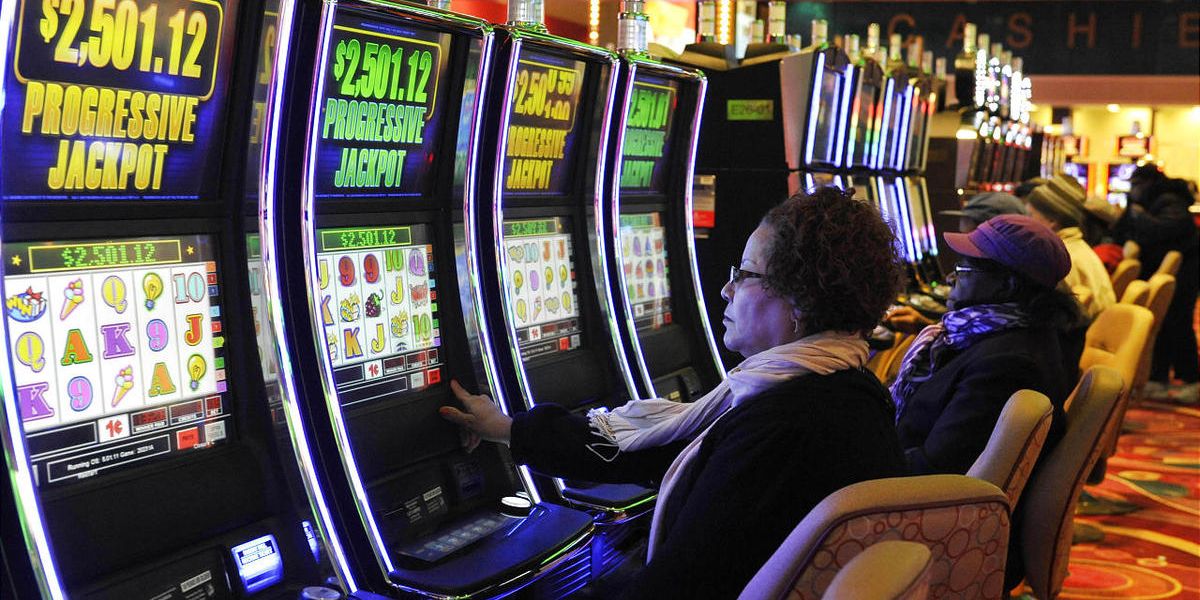
I have always felt that isolation amplifies almost every problem, and peer support groups break that isolation with exceptional efficiency. Gamblers Anonymous hosts meetings across Canada, both in‑person and online, where you can relay your story or simply absorb others who truly understand. The power of these rooms comes from witnessing people at various stages of recovery; you notice that slip‑ups are part of the process, not a reason to quit trying. I also guide people toward SMART Recovery, a science‑based alternative that teaches practical tools for managing urges without relying on a higher power. Many communities now host drop‑in groups at local health units or community centers, often led by someone who has journeyed the same path. If speaking in a group seems too exposed right now, start with moderated online forums or chat‑based support until your confidence grows. The key is consistent attendance for at least six weeks, because the benefits multiply once you establish trust with the group. I have seen complete strangers turn into the most honest accountability partners, celebrating small victories like a gambling‑free weekend with genuine warmth.
9. Adopt a Lasting Hiatus Once Gambling Stops Works for You
At some point, I have heard players say they recognize the healthiest choice is to walk away entirely, and I aim to affirm that resolution without reservation. A permanent break does not represent a failure; it is a sharp recognition that an activity that previously brought joy currently brings only harm. I frequently suggest treating this step as a graduation as opposed to a loss. You may close your accounts, install blocking software such as BetBlocker or Gamban, and redirect the time and money you used to spend toward something you have long wanted to learn or build. The emotional adjustment requires time, and cravings may surface after several months, so I advise having a written list of reasons you chose this choice. Read it aloud when doubt sets in. Mark your gambling‑free landmarks—first week, first month, first concert or trip funded entirely by money you did not wager. Canada provides pathways to voluntary land‑based exclusion programs that are able to seal the door more firmly. I have observed people transform their lives completely after a permanent break, discovering energy and focus they believed were lost forever. Peace of mind is worth any jackpot.
Every resource I have provided in this guide exists because thousands of Canadians have found themselves exactly where you are now and found a path forward. Start small: set a deposit limit this evening, bookmark a helpline number, or tell one person you trust. I want you to remember that recovery does not follow a straight line, and using support tools is not a sign of defeat. It is the most rational, courageous step you are able to take to protect your future. Keep this article handy and return to it whenever you need a reminder that help is real, accessible, and completely within your reach.